Child Labour Campaign

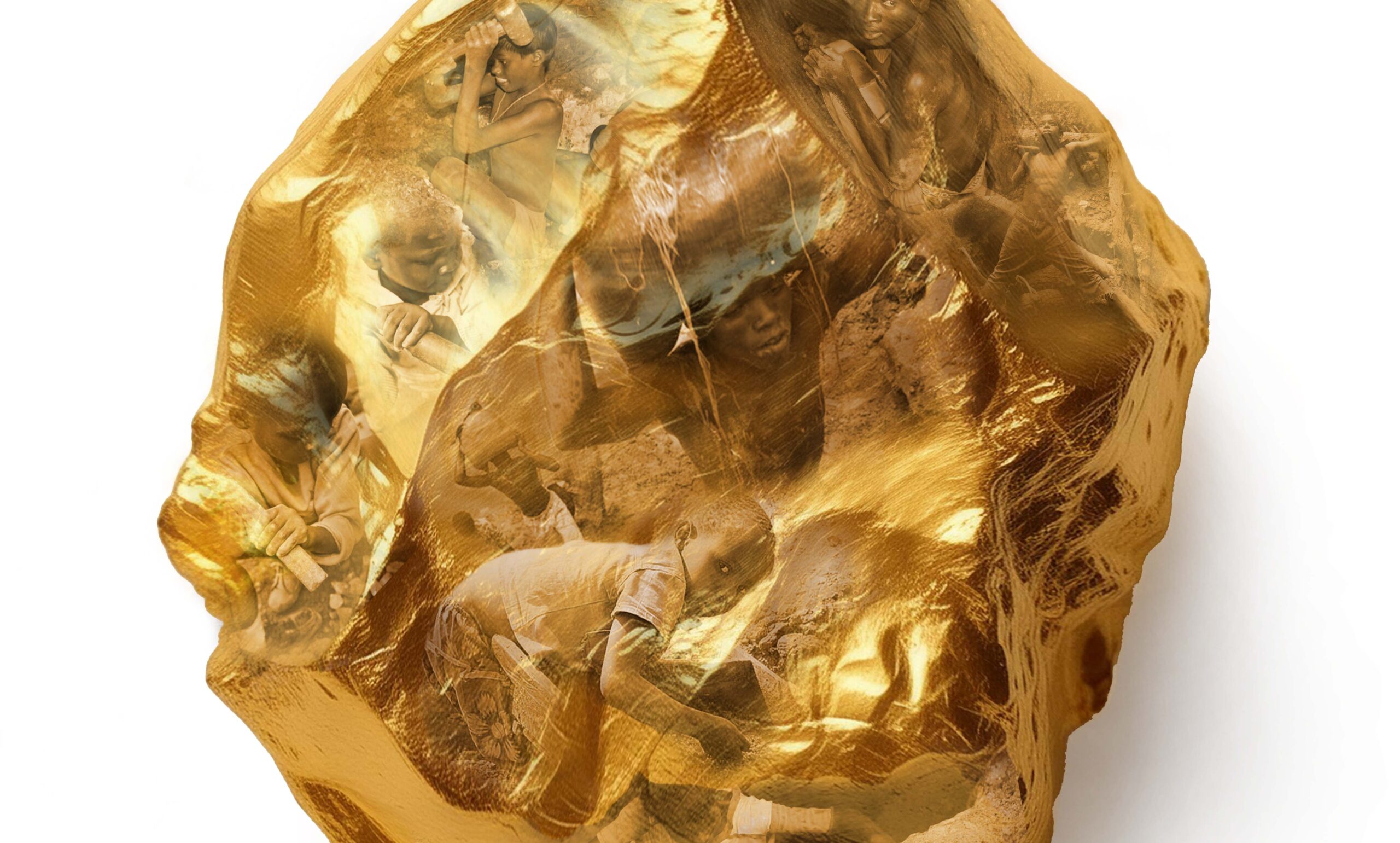
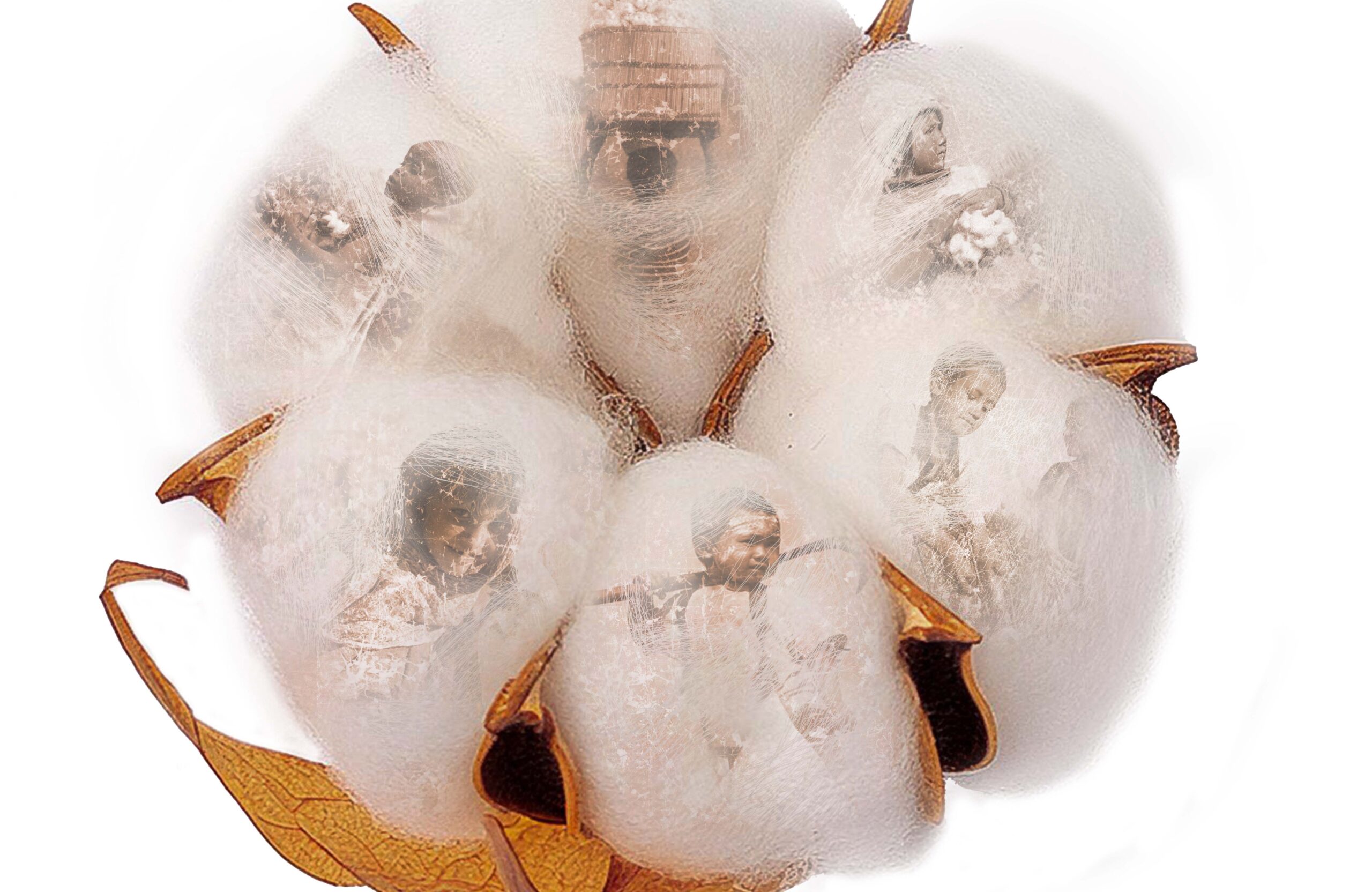
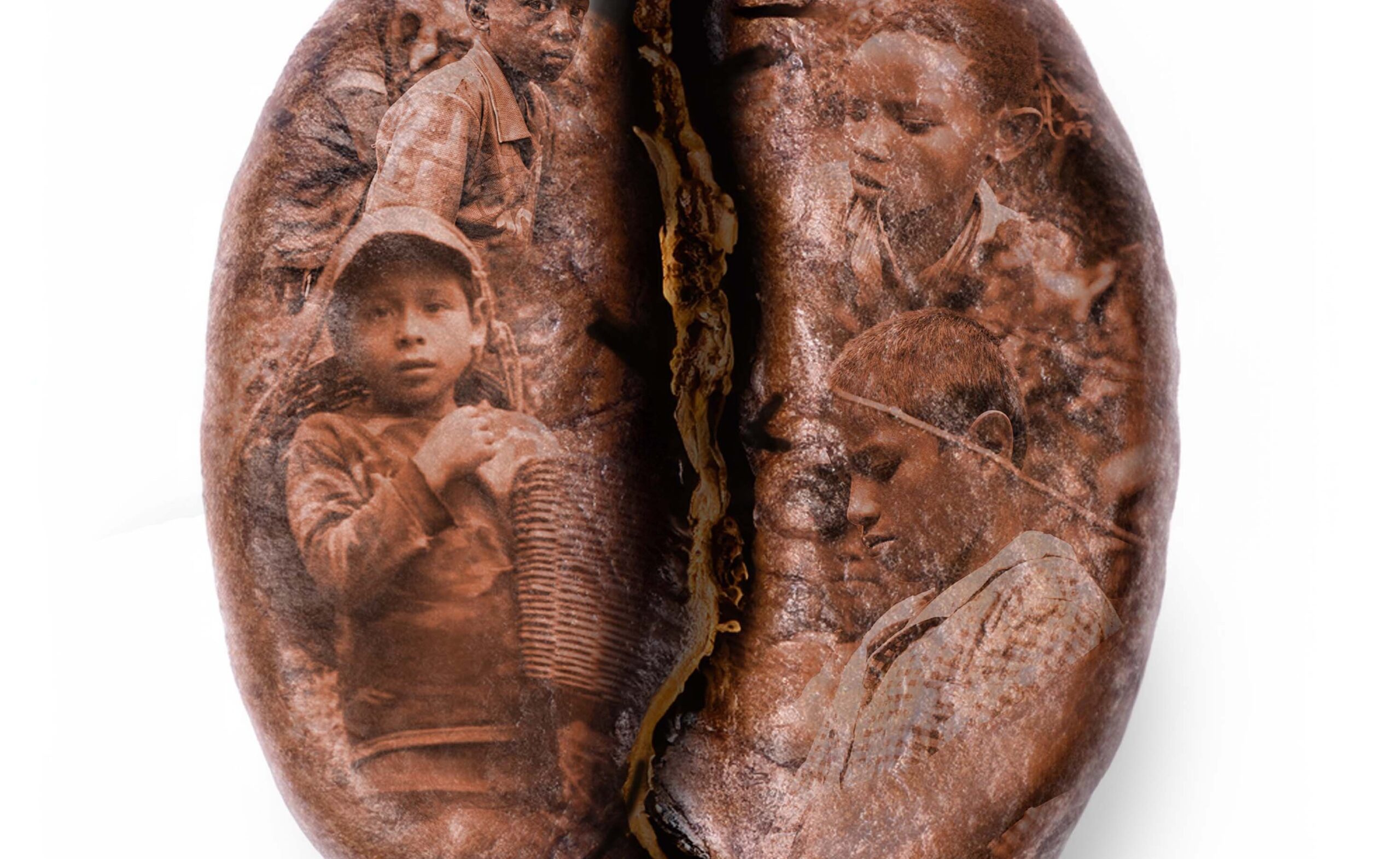
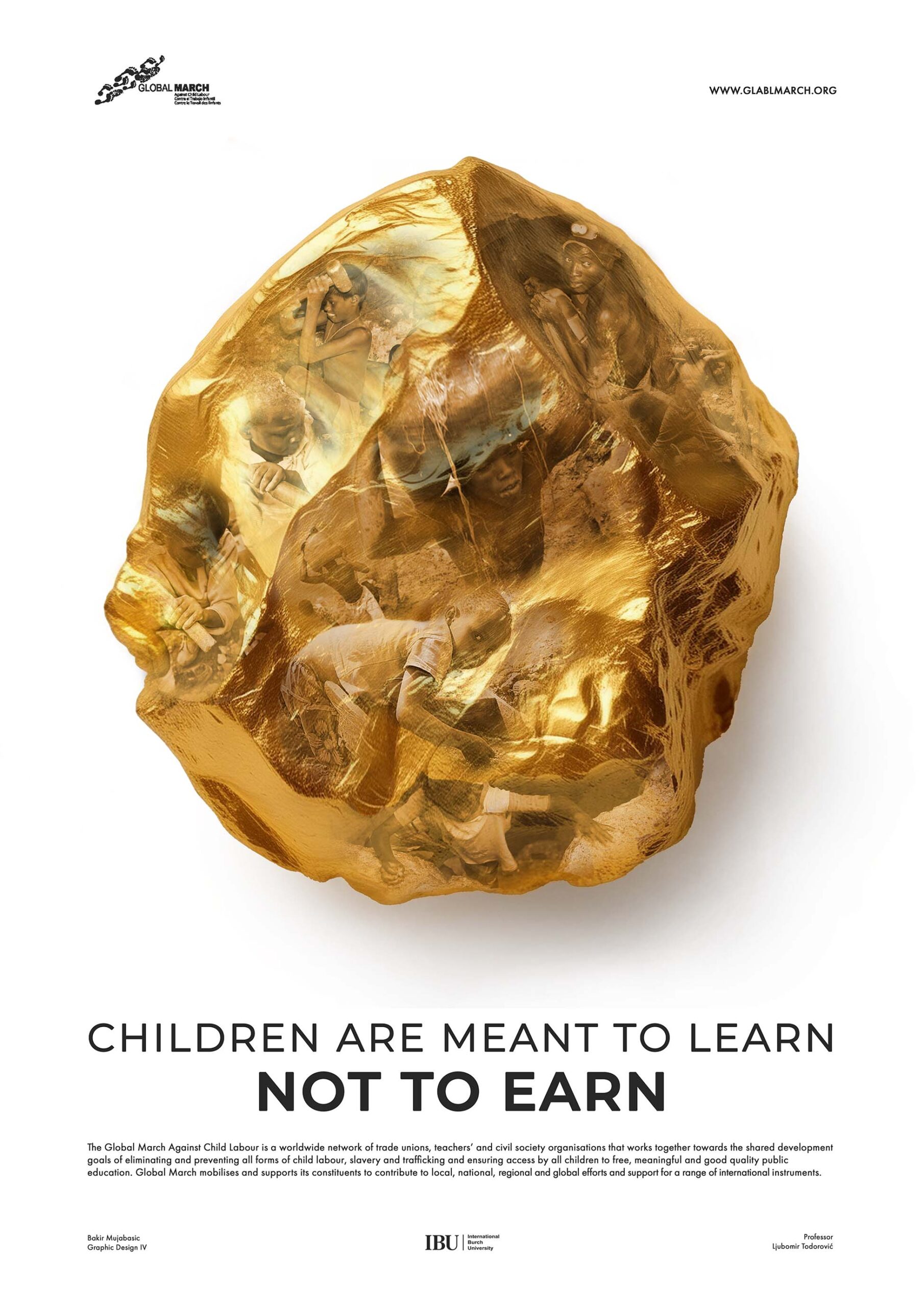
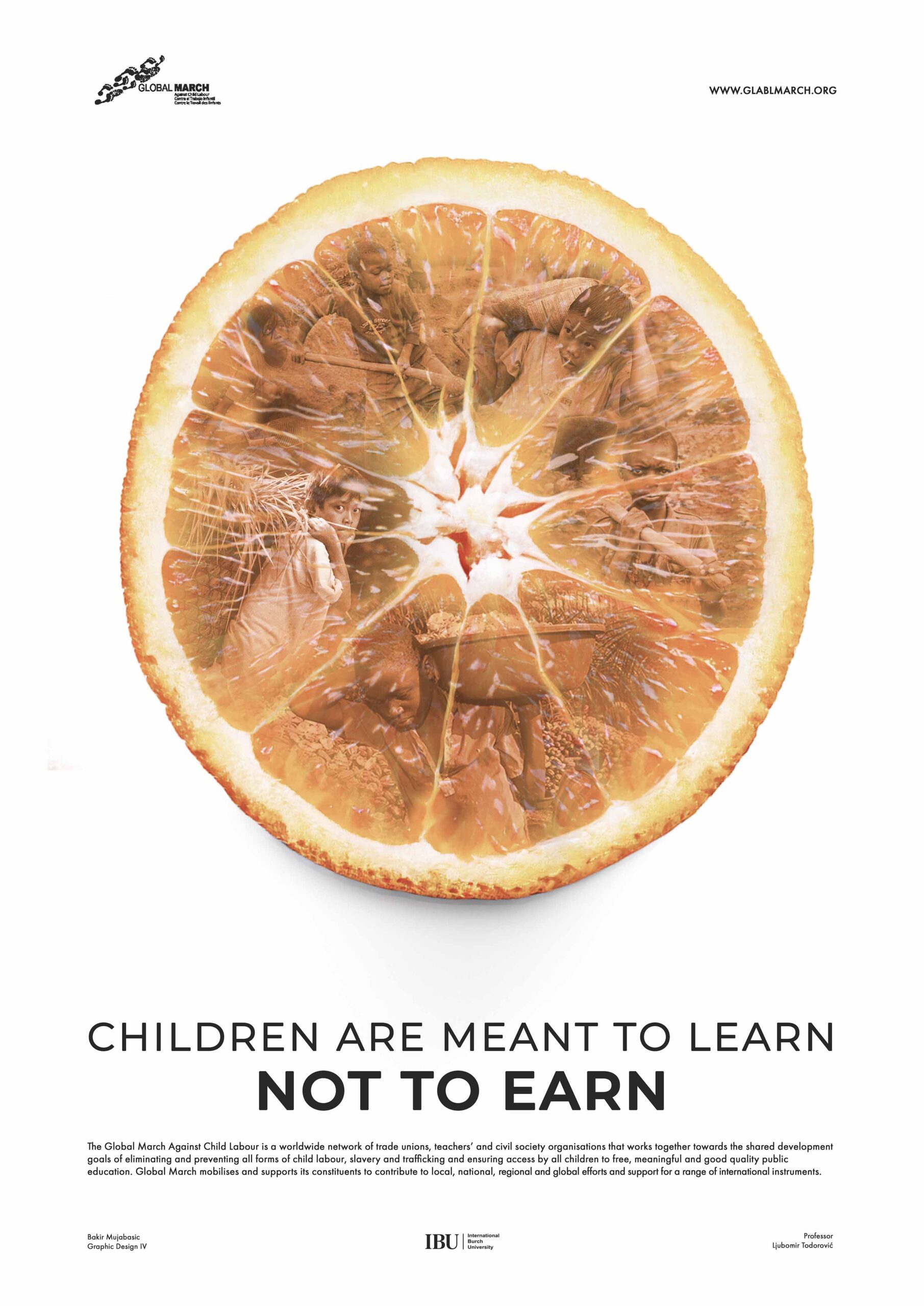
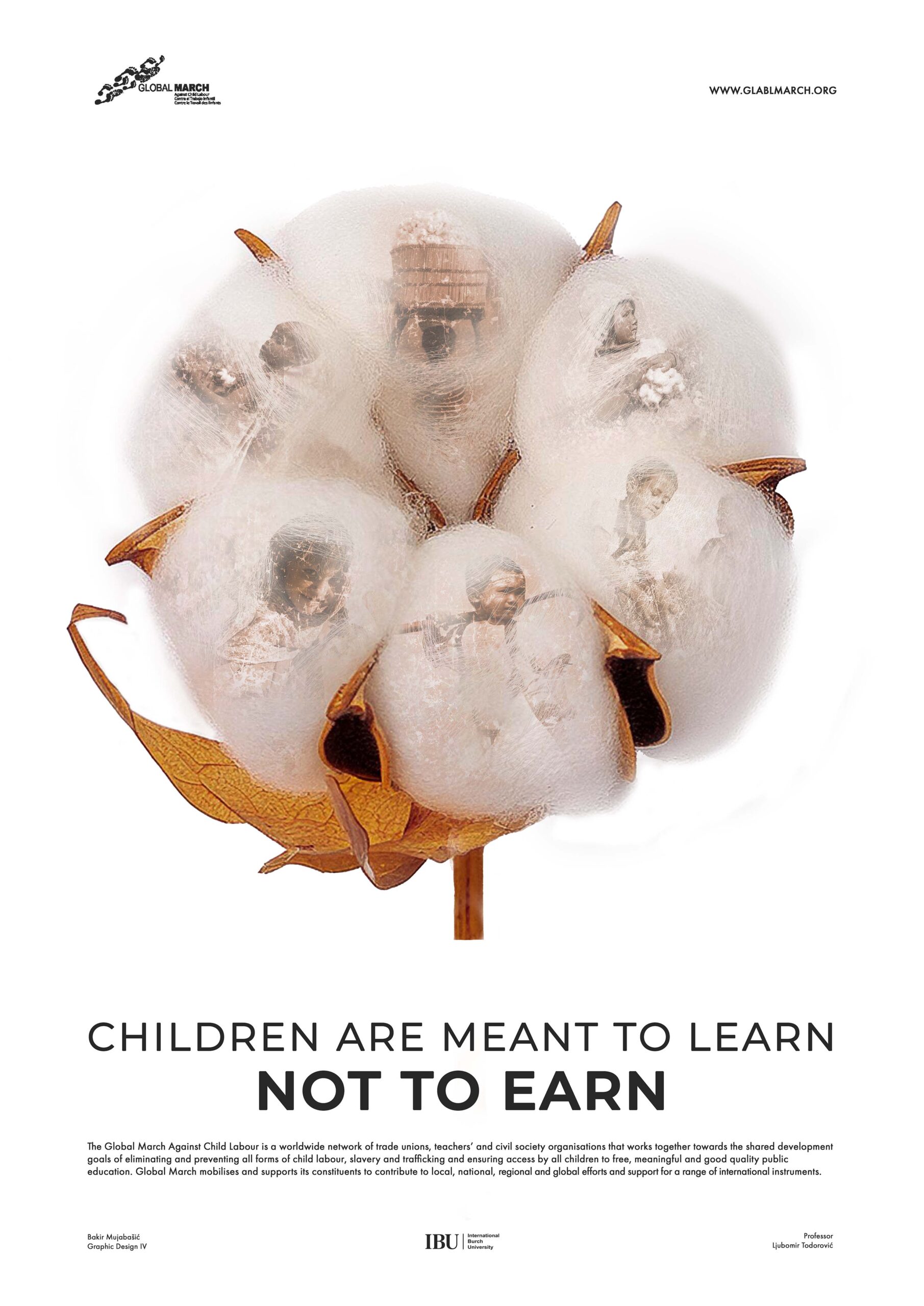
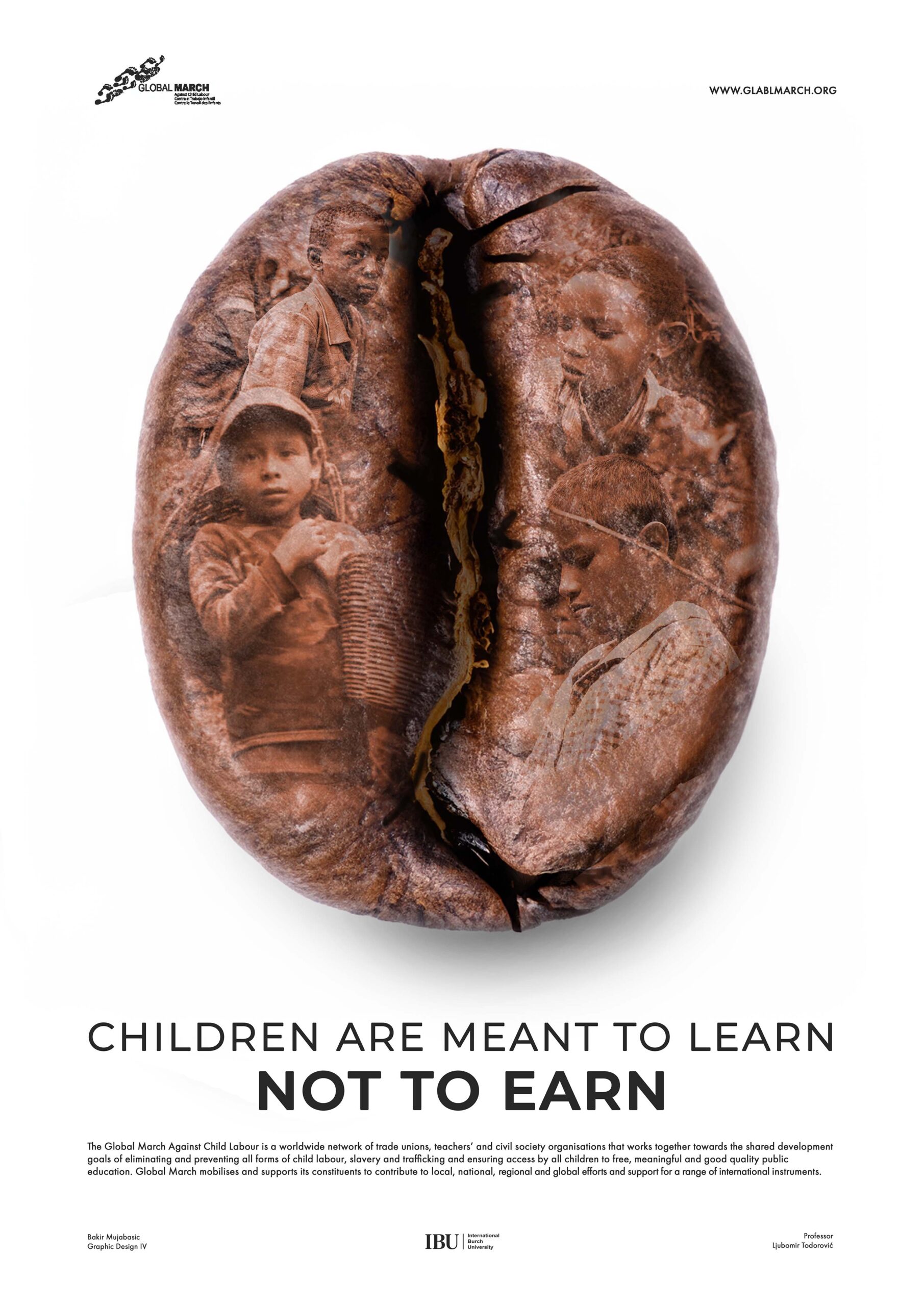
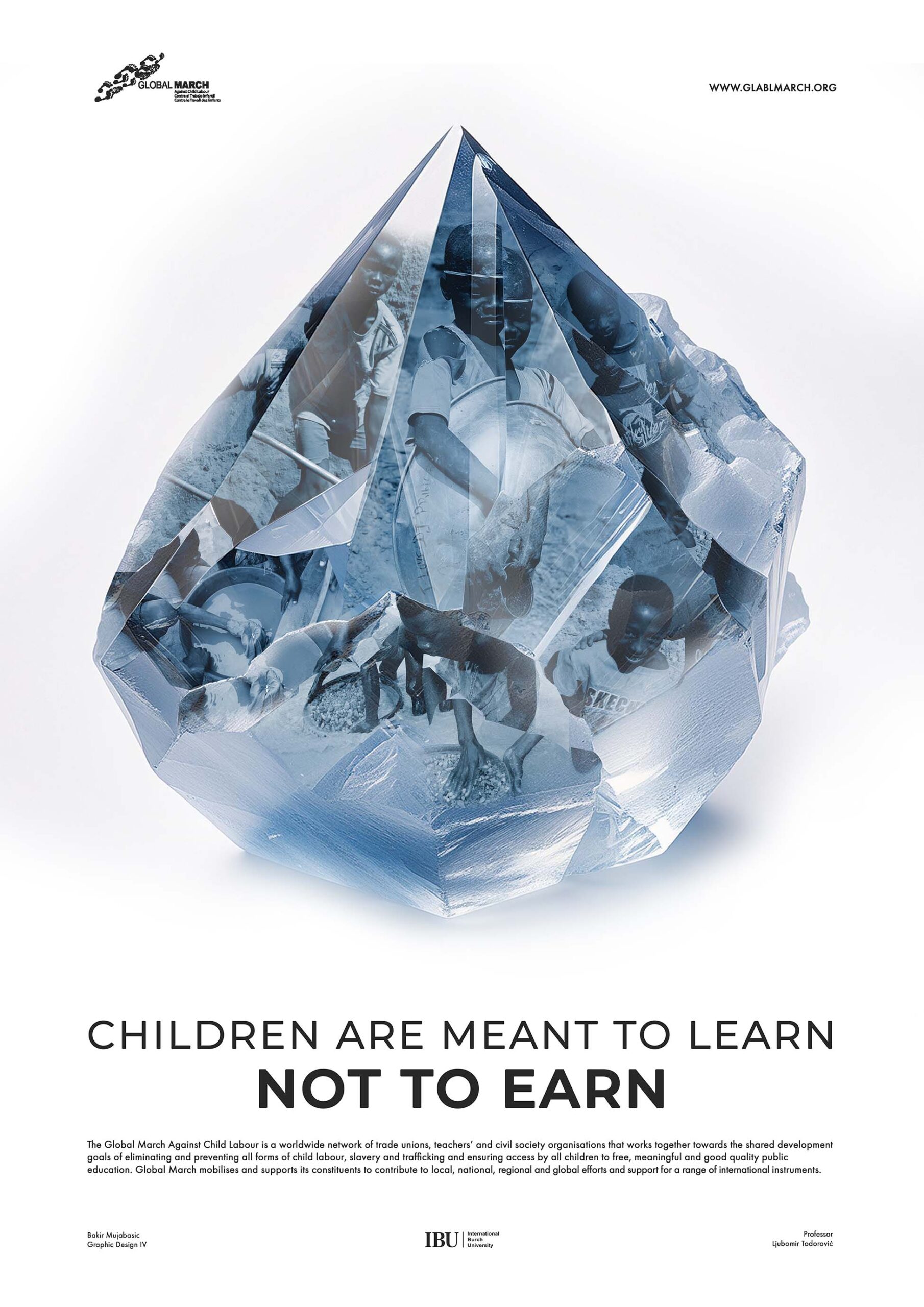
This awareness campaign sheds light on the hidden reality behind everyday consumer goods. Through minimalist visual language and careful image manipulation, the goal was to confront viewers with the uncomfortable truth: child labour is woven into more of our lives than we realize—often hidden in the very things we use every day.

Market

Year of production

Project duration

Overview

The objective was to create a series of posters that raise awareness about child labour in global supply chains. The concept focused on familiar everyday products—like chocolate, coffee, textiles, or electronics—and revealed, through subtle visual storytelling, the unseen exploitation behind them. Rather than using shock or overt messaging, the campaign aimed to draw viewers in gently, then make them question what they’re really looking at.

Process

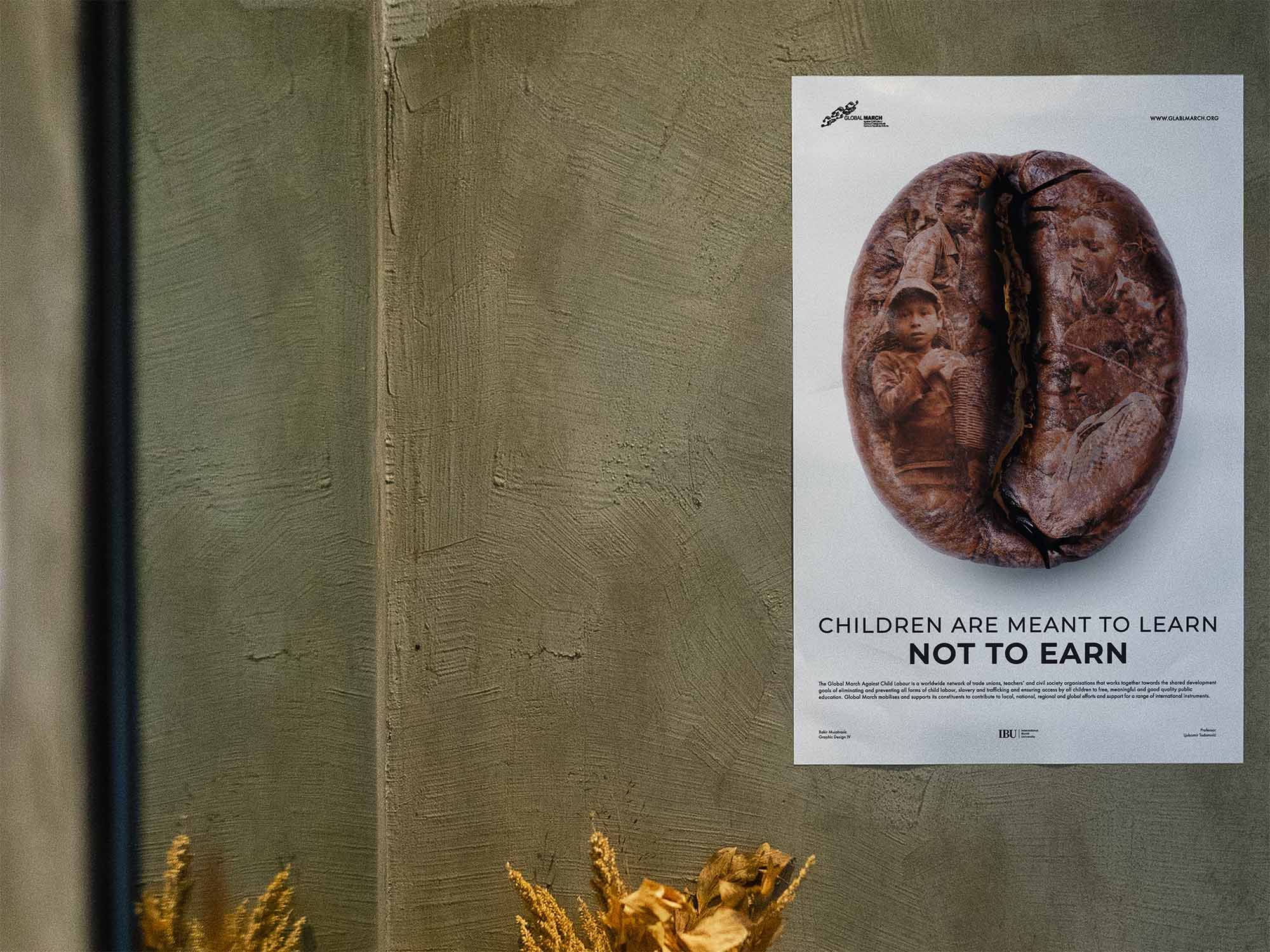
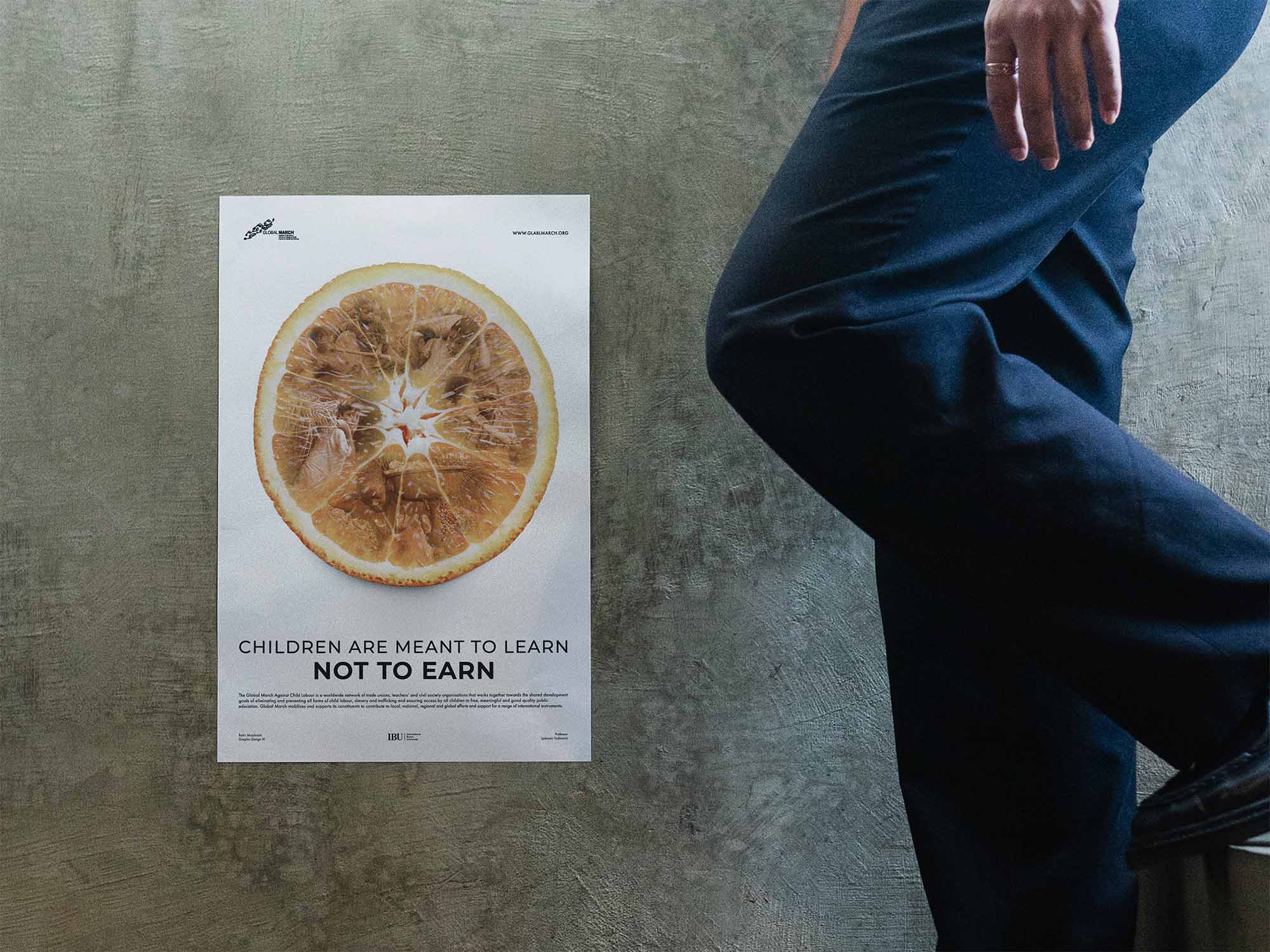
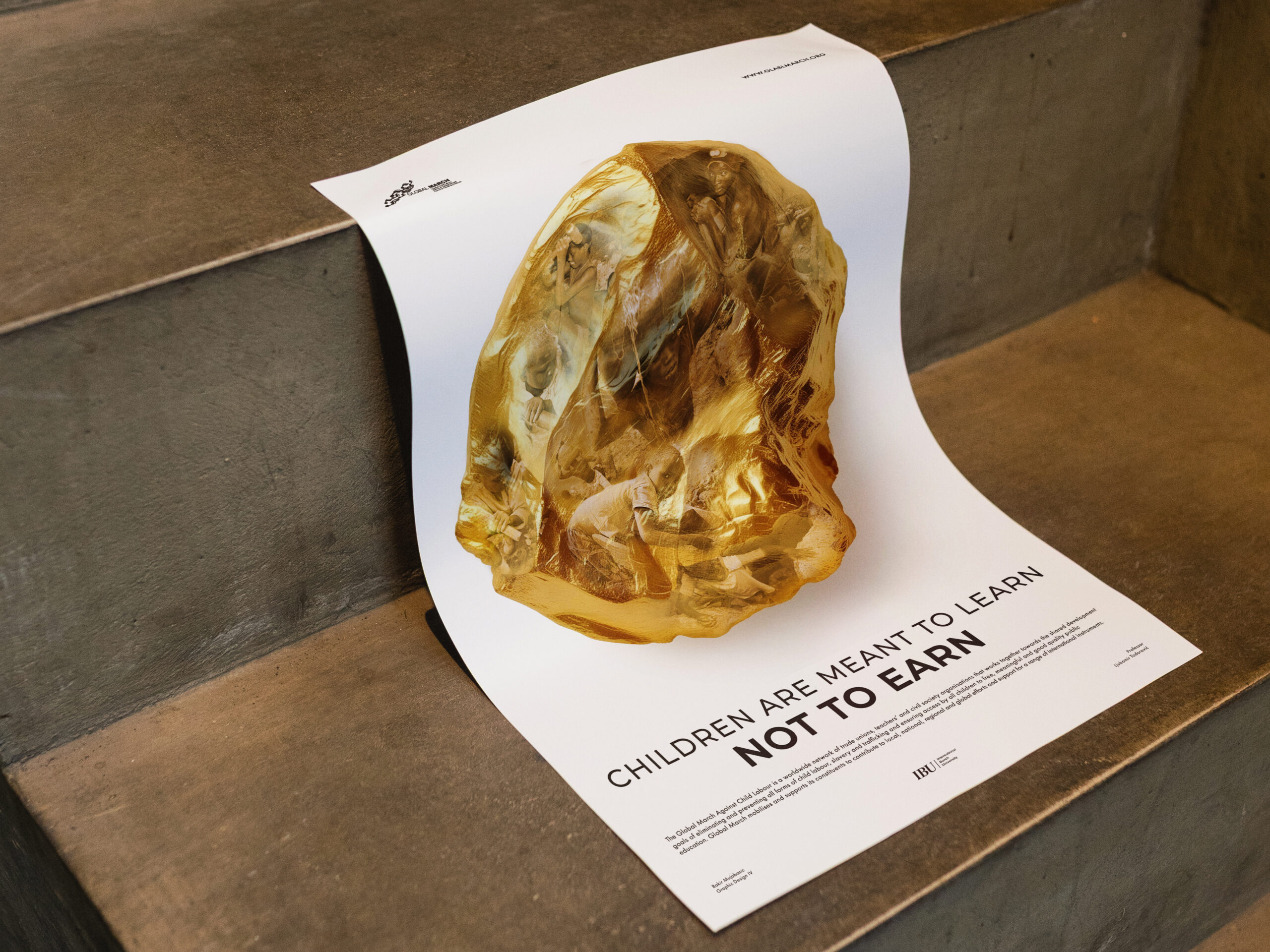
The core idea was visual duality. Each poster featured a single, clean image of a consumer product—but embedded within that product, almost imperceptibly at first glance, were images of children working in that industry. These images were seamlessly blended into textures, reflections, or shadows, requiring viewers to stop, look closer, and slowly uncover the uncomfortable truth. This gradual discovery mimics the real-world ignorance many people have about the issue—how easily it hides in plain sight.
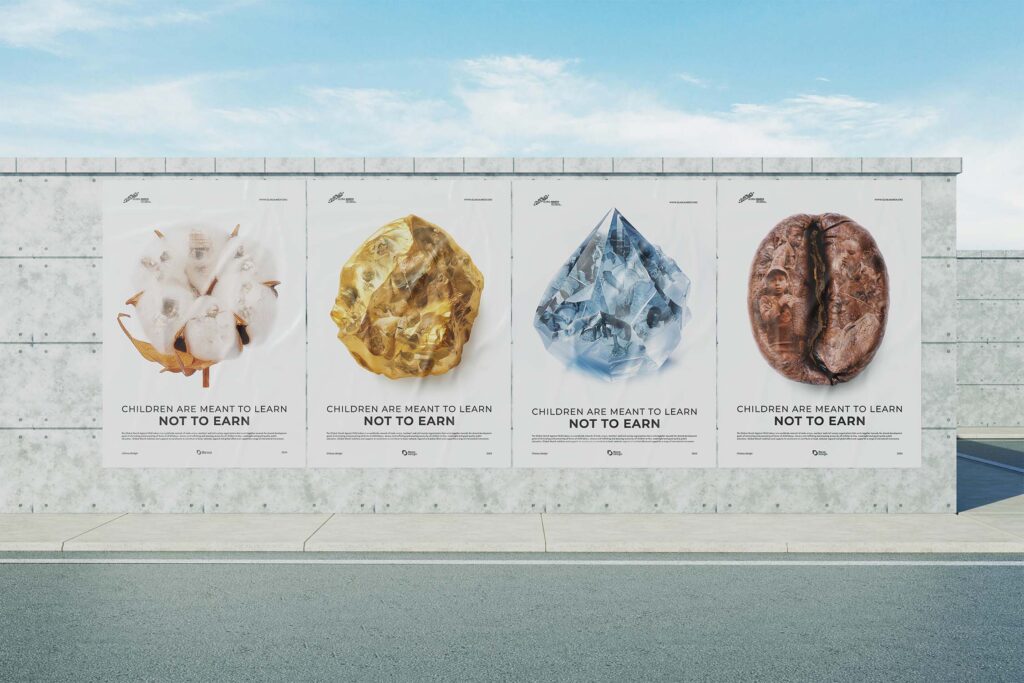
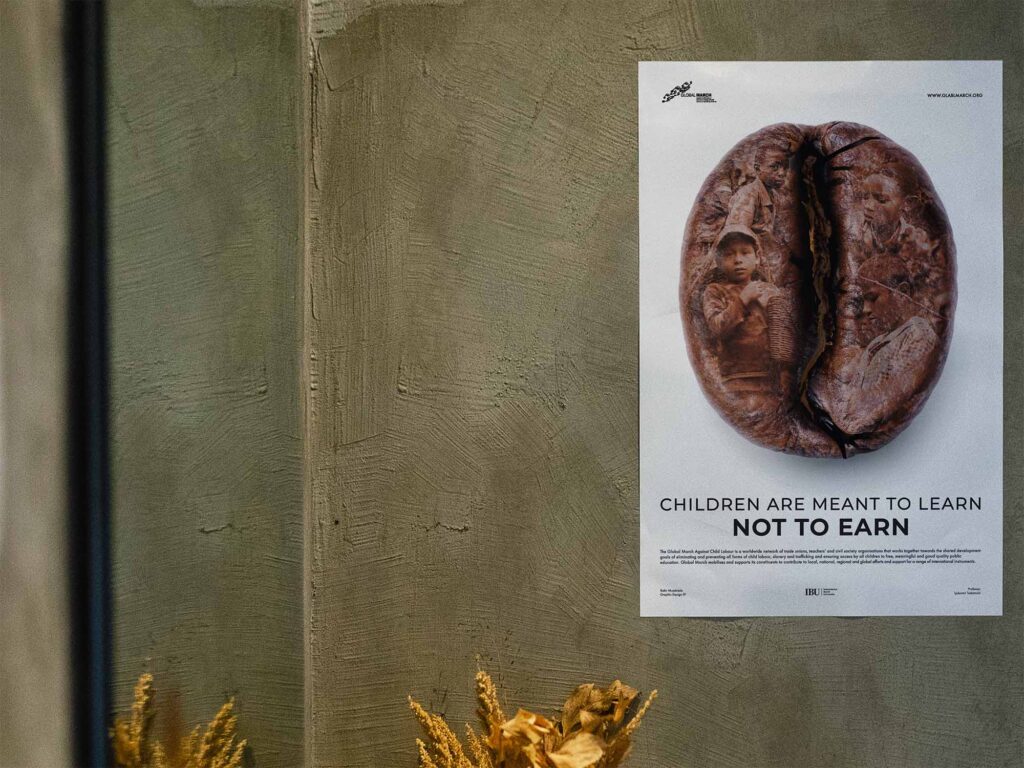
Minimalist design was key to ensuring that nothing distracted from the core message. Products were photographed or rendered in isolation against neutral backgrounds. The embedded imagery was integrated with extreme care—sometimes as a silhouette in a coffee bean’s shadow, or hidden among the folds of a t-shirt. The posters avoided text entirely to let the visuals speak, relying on emotional contrast between the polished product and the harsh reality buried inside it.

The final campaign delivers its message through stillness and slow realization. It encourages awareness not through loud slogans, but by confronting the viewer with what they missed at first glance. The project asks a simple but urgent question: What are we really consuming—and at what cost?

BACK TO WORKS