The myth of the universal designer and how to find your path
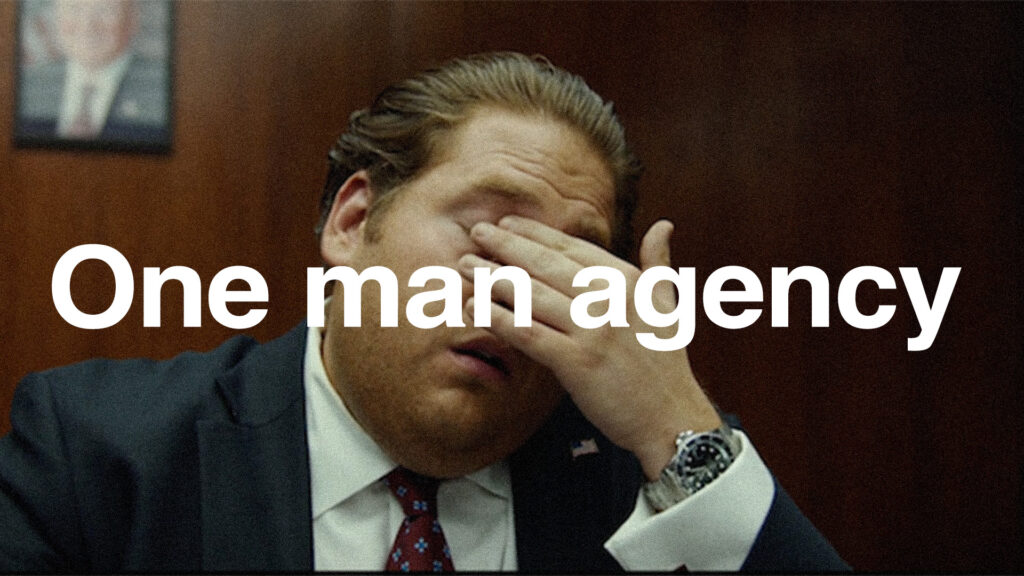
“You can’t be good at everything” – How many times have we heard this phrase from senior colleagues, experienced professionals, parents, and even our professors? Someone probably told them the exact same thing in their youth, but at the end of the day, it’s a lesson each of us has to learn the hard way and figure out on our own.
I’m someone who is fairly “fresh” to this realization, and I believe I share this state of mind—along with that beginner’s confusion—with many of my peers who are just starting their careers.
The “Jack of all trades” misconception
A few years ago, when I firmly decided that my calling would be visual communication, only one single profession existed in my head: Graphic Designer.
Of course, in all my inexperience, I was convinced that this magical graphic designer does absolutely everything—from creating logos and branding, to designing complex mobile and desktop apps, all the way to conceptualizing all the visual content we consume on a daily basis.
It didn’t take me long to realize how wrong that assumption was. The sobering moment happened when I stumbled upon an endless list of different roles and narrow specializations related to visual communication on LinkedIn.
After that discovery came a five-year period of questioning and constantly asking myself the hardest question: “In which direction exactly should I specialize?”
The hardest, yet best advice: “Try everything”
The answer to that question is theoretically very easy to find, but quite hard to execute in practice. The answer is: try everything.
Luckily for me, during my studies and through my first jobs, I had the opportunity (and sometimes I was forced) to jump between different branches of visual communication. In each of those challenges, I tried to give it my all. After all, even the subjects that didn’t interest me in the slightest at the time had to be passed.
Looking back, that was the only right way for me to filter through the options and find a concrete profession where I would feel good and natural.
What did I conclude from all this?
If you truly try everything and put a little effort into different areas, you gain two incredibly valuable things for your career:
1. Focus: You clearly find out what you are truly best at, what fulfills you, and exactly what you need to further perfect.
2. Breadth: You build a diverse skillset and gain a deep understanding of other branches that lean on your primary profession (which automatically makes you a much better team collaborator).
Maybe I’m not good at writing LinkedIn posts and blogs at all, but hey, I’m following my own conclusion—I’m trying. 😉
Written on: March 28, 2026