Domestic Covers

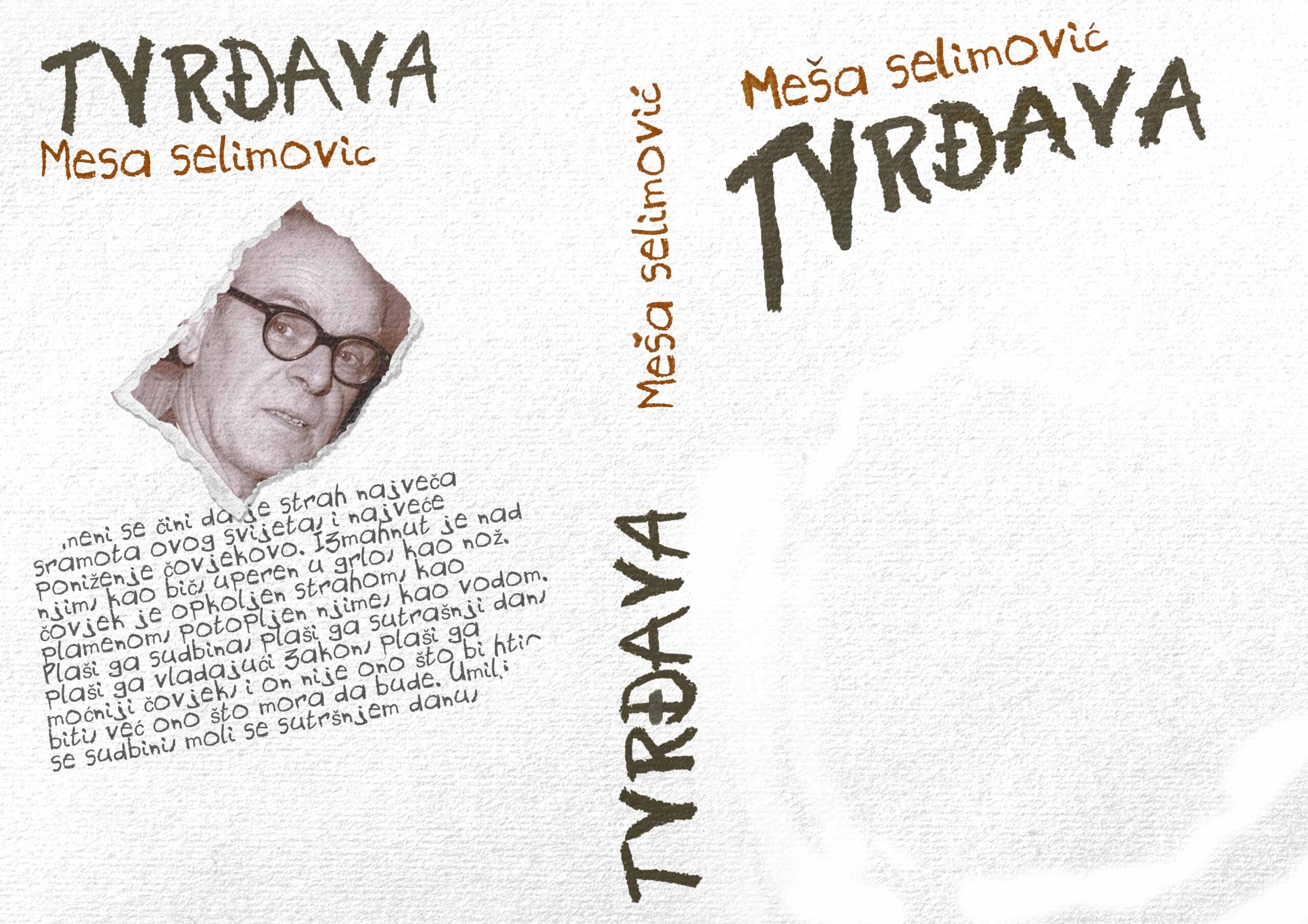
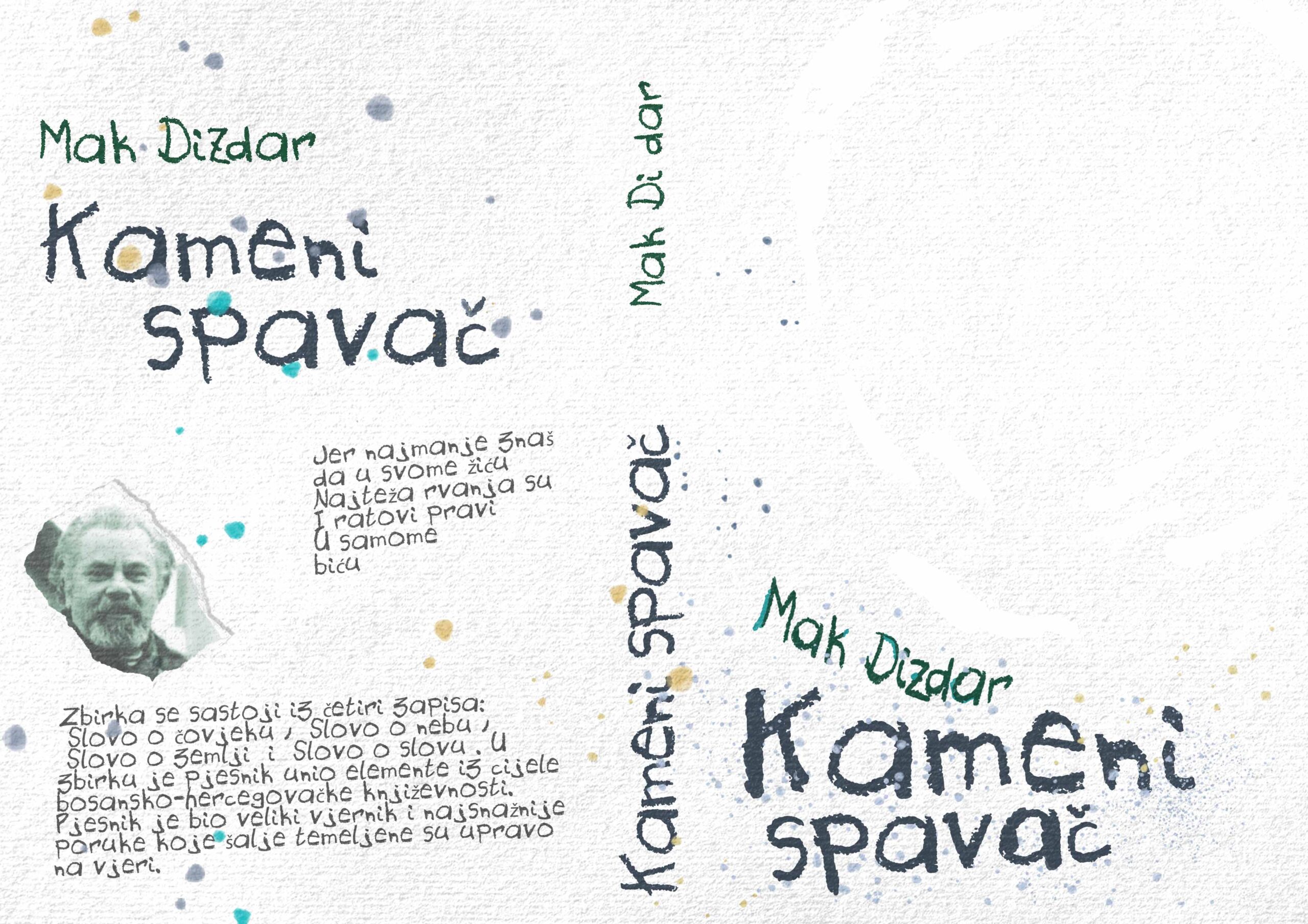
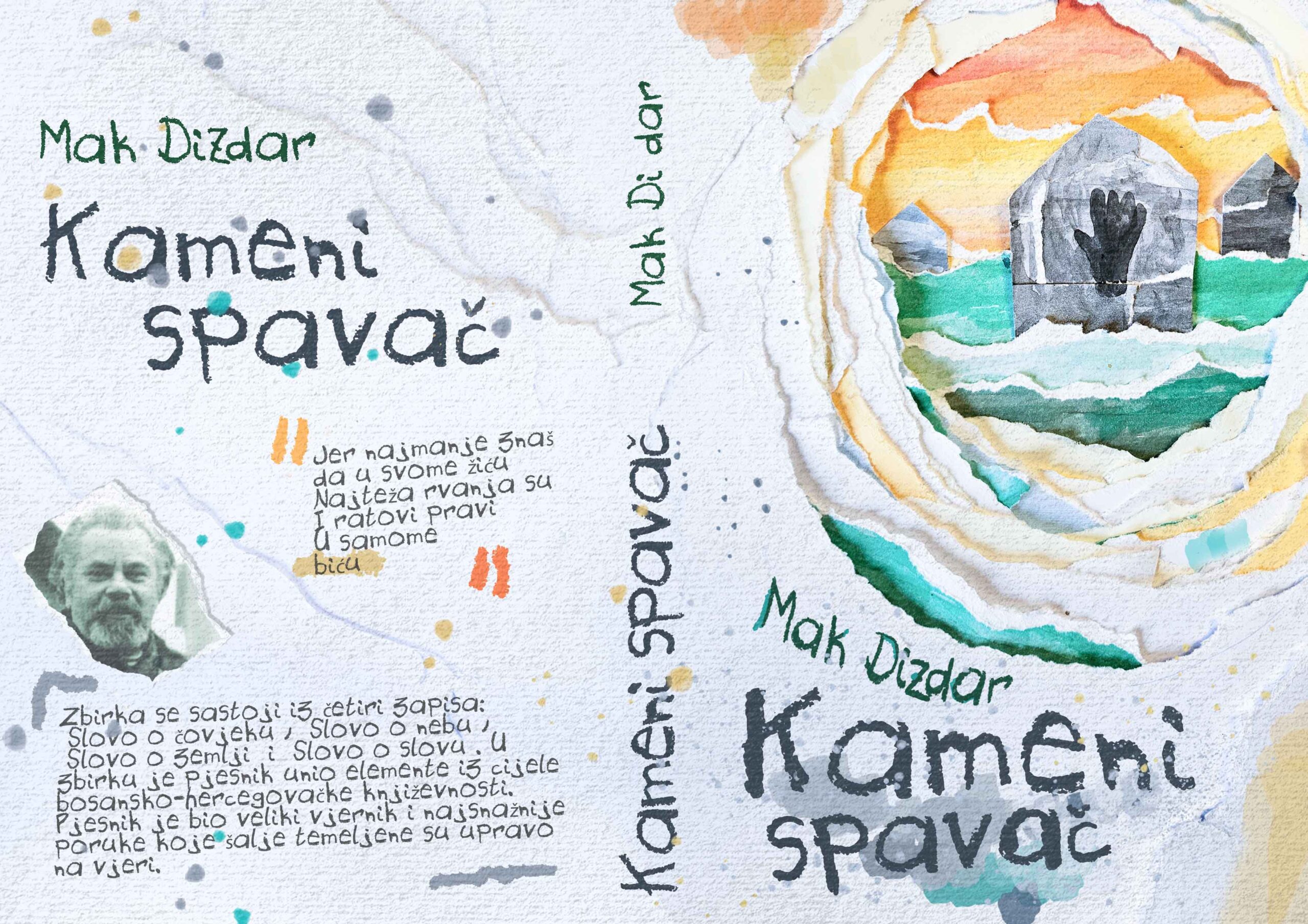
This project gives new visual life to the works of Ivo Andrić, Meša Selimović, and Mak Dizdar through a tactile, handcrafted approach. Using paper layering and color, each cover becomes a physical metaphor for the complexity and depth of their stories—revealing meaning slowly, just as the books do.

Market

Year of production

2024

Project duration

3 weeks

Overview

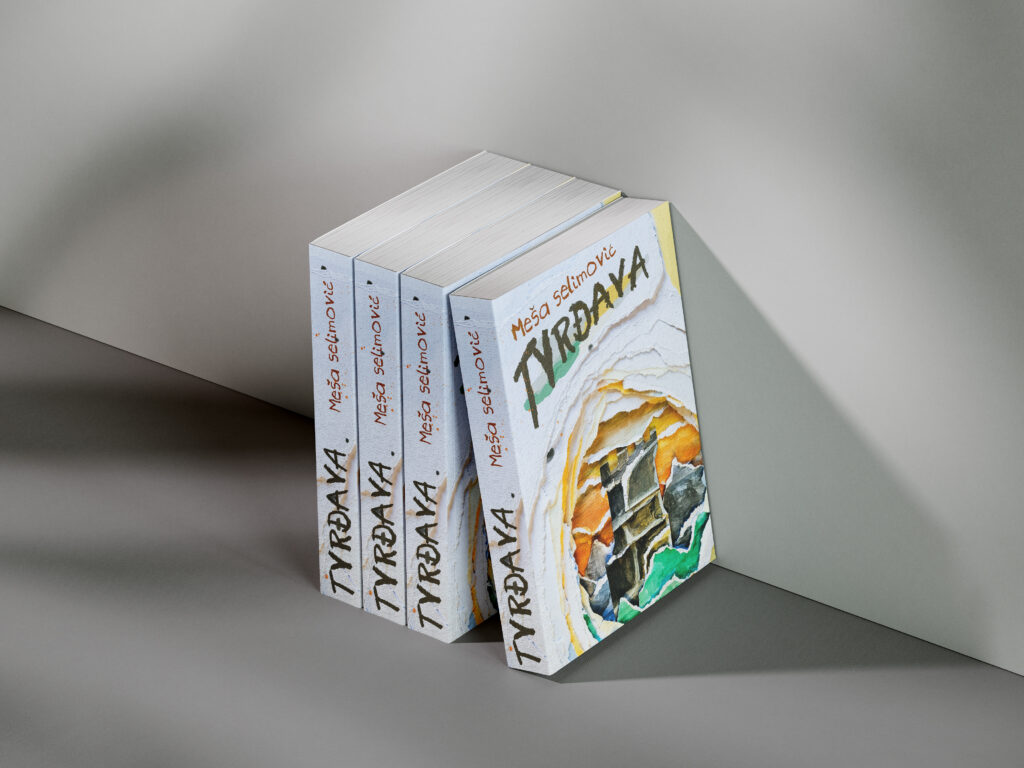
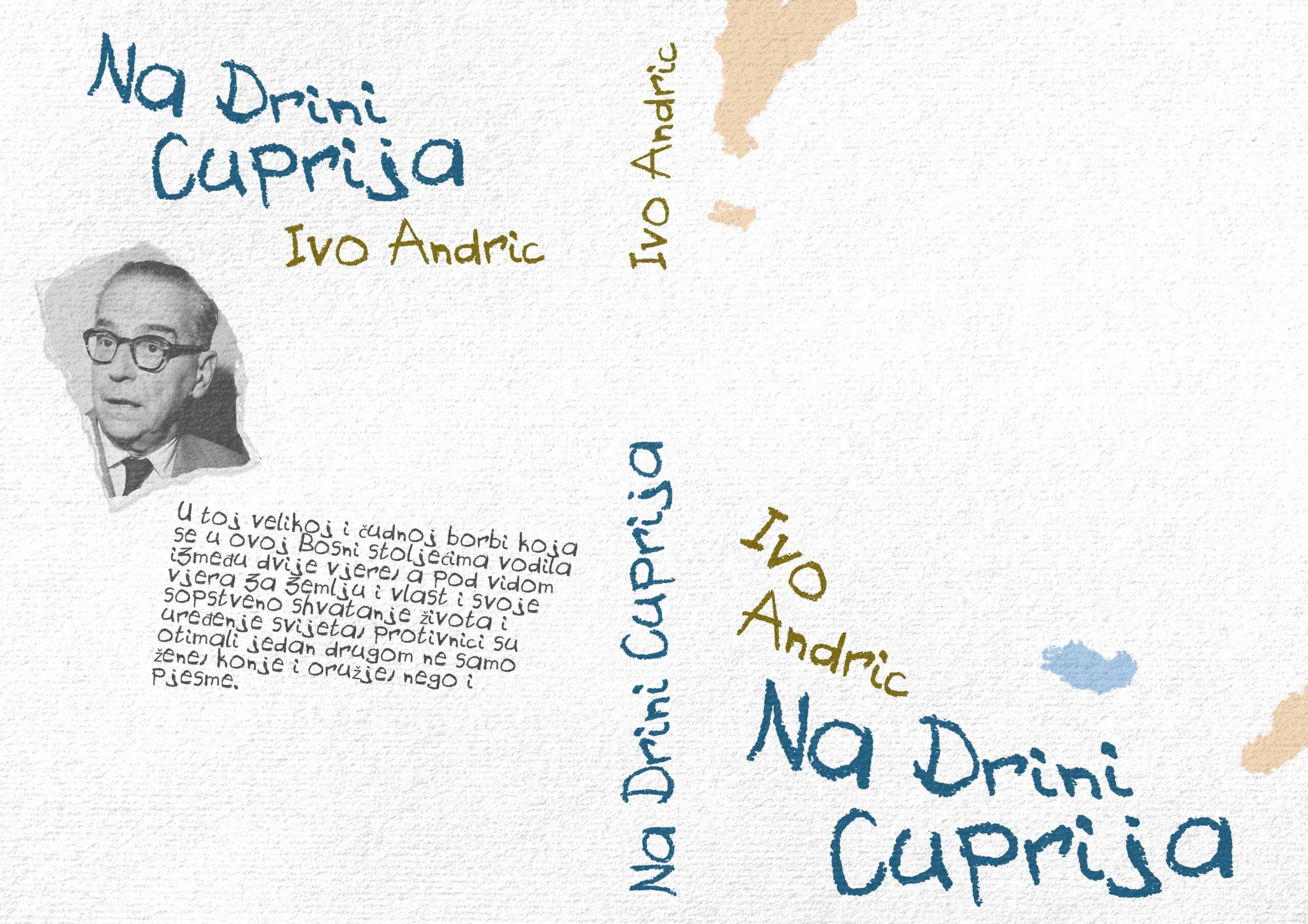
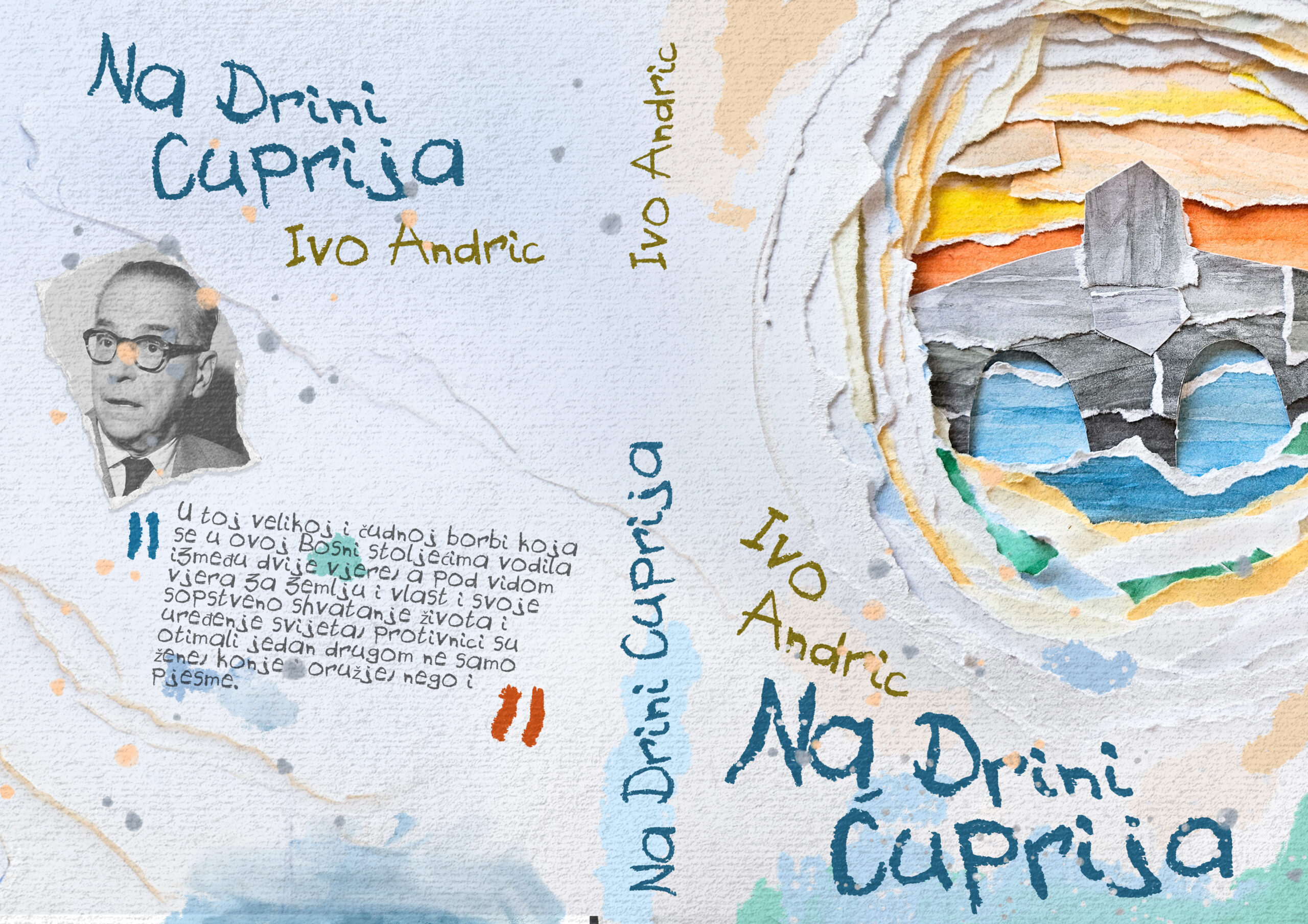
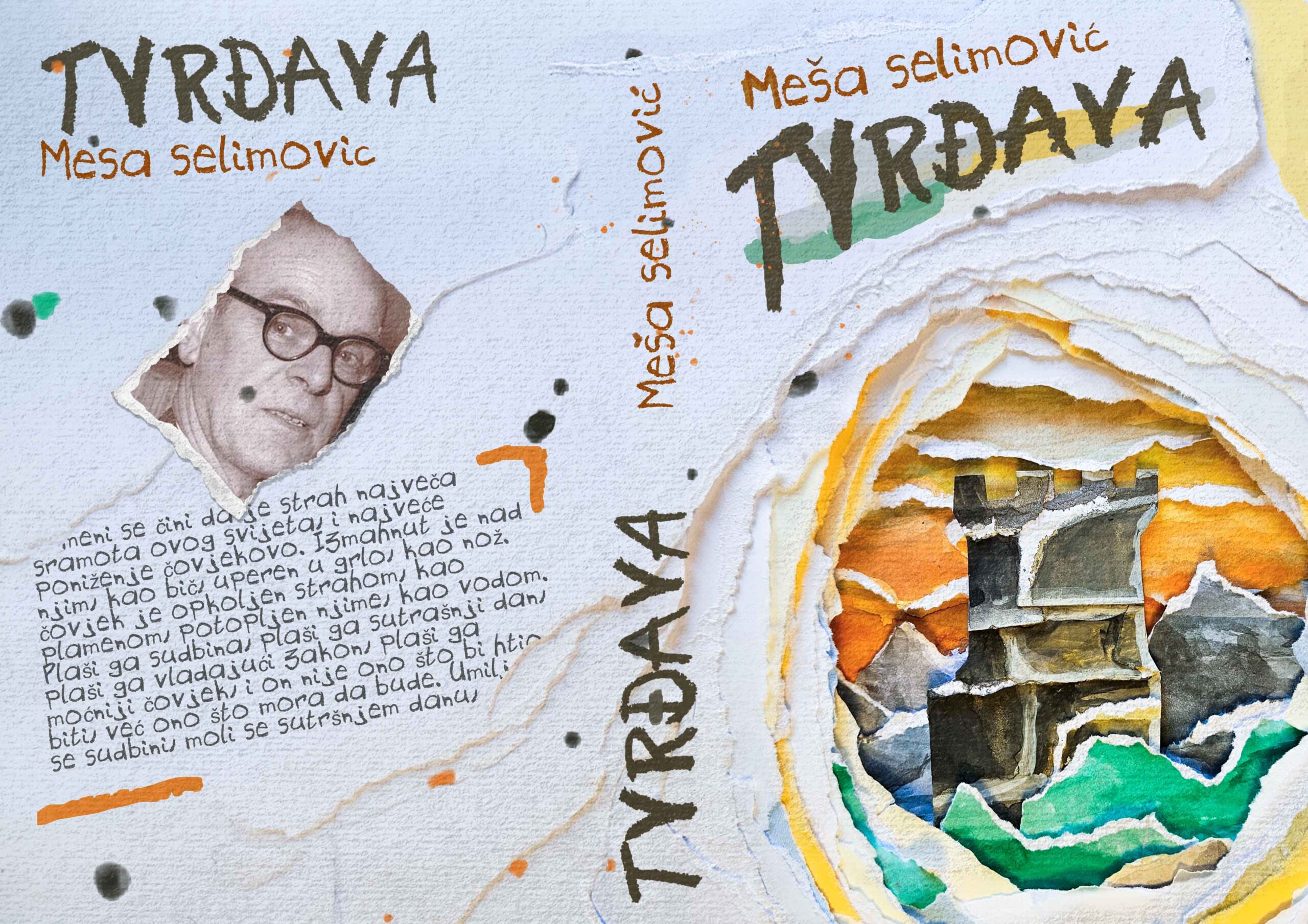
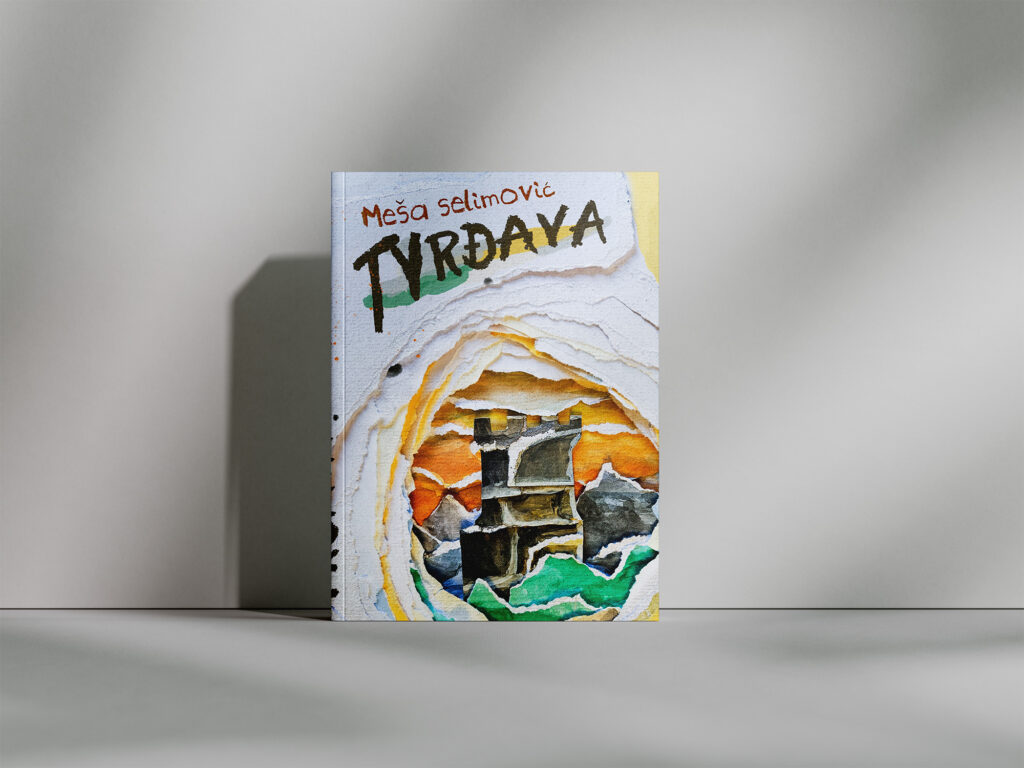
The goal was to redesign iconic book covers from three pillars of Bosnian literature: Na Drini Ćuprija by Ivo Andrić, Tvrđava by Meša Selimović, and Kameni Spavač by Mak Dizdar. Rather than taking a digital or illustrative route, the concept focused on manual design and physical depth—using paper as both medium and message to reflect the layered nature of these literary works.
Process

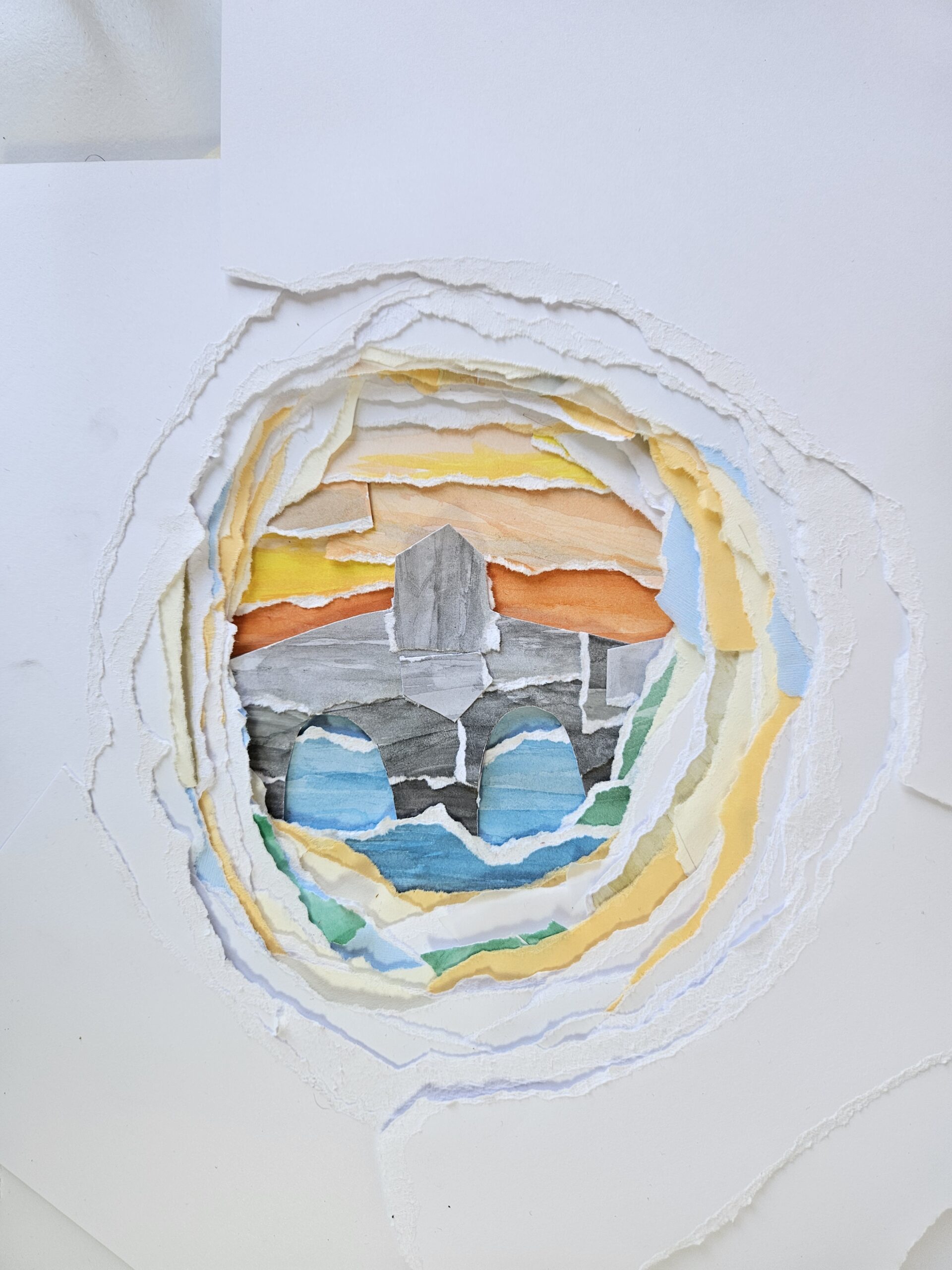
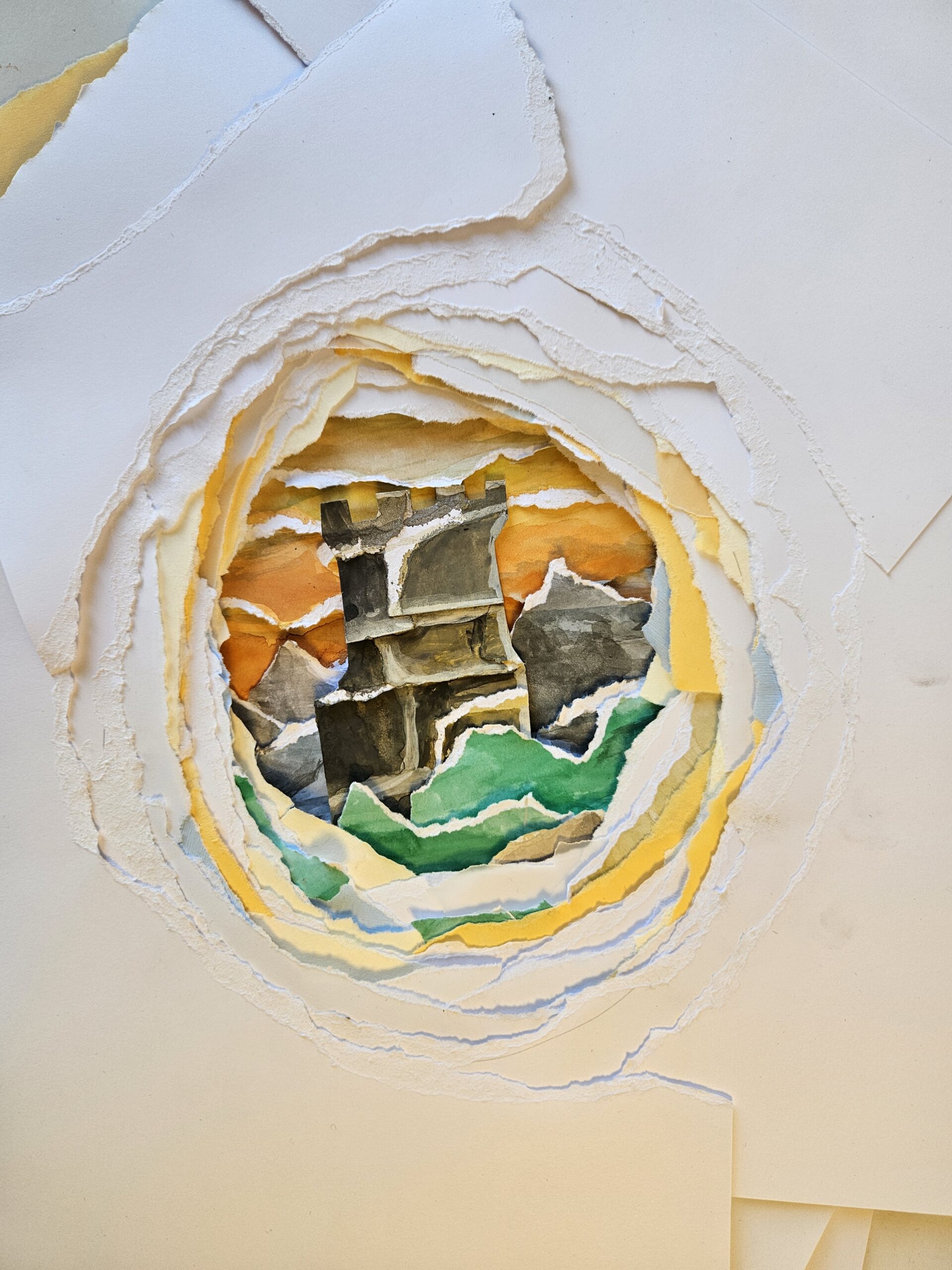
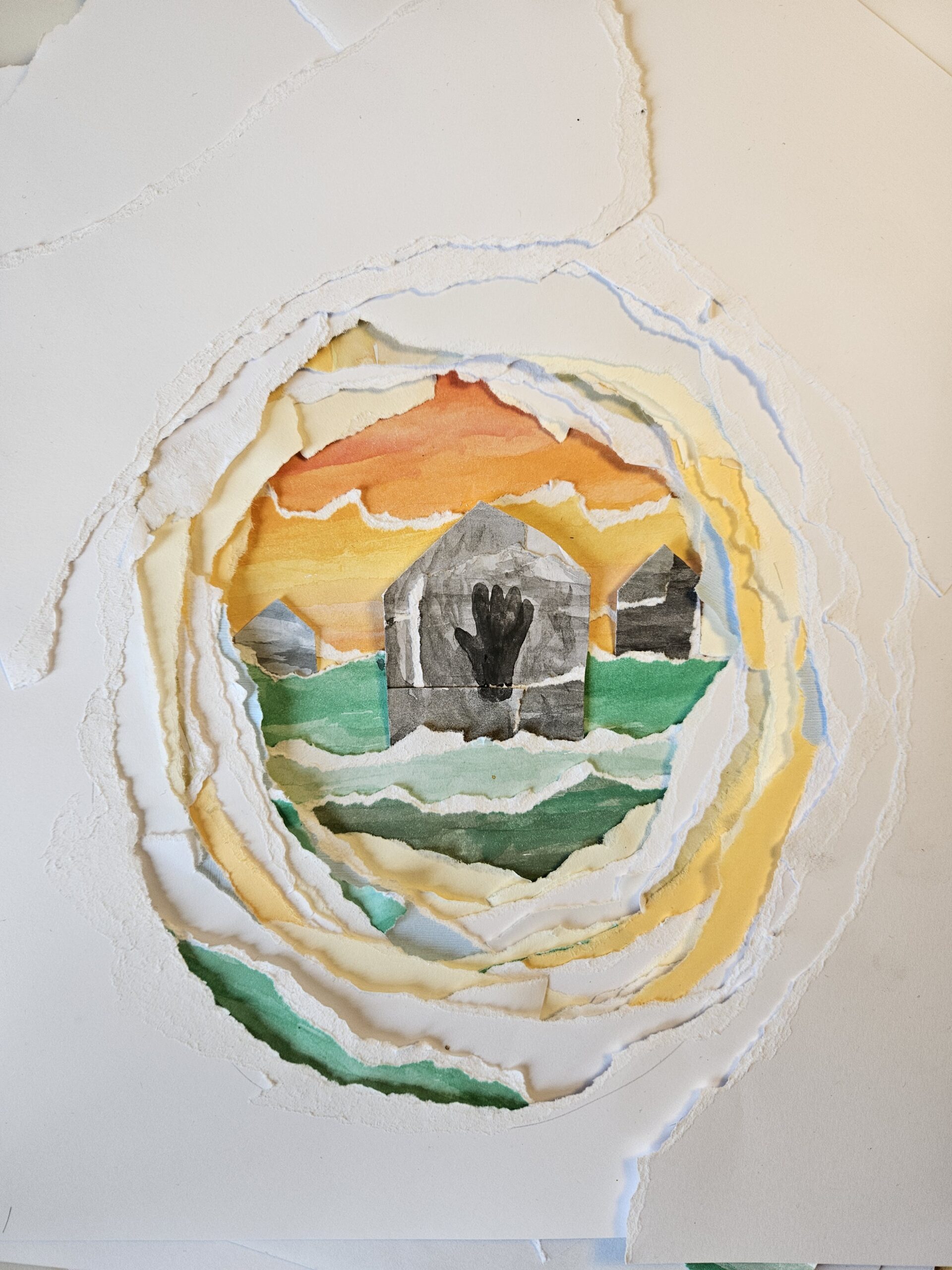
Each book was approached as a layered narrative—complex, historic, and deeply symbolic. This idea was translated into physical form using stacked paper layers in varying tones. Through these layers, one central shape emerges: a bridge (Na Drini Ćuprija), a fortress (Tvrđava), and a gravestone (Kameni Spavač). These icons were chosen for their direct link to each book’s title and underlying theme, always revealed at the final layer—suggesting that truth lies beneath the surface.

The covers were crafted entirely by hand, cutting and composing paper to build dimension and atmosphere. Each color palette was chosen to reflect the emotional and historical tone of the book—dusty, earthy tones for Andrić, somber greys for Selimović, and deep stone hues for Dizdar. The typography remained minimal to let the materiality and form lead the storytelling. No texture was artificial; everything you see was constructed, lit, and photographed as a real object.

A Tactile Tribute to Timeless Words

The final designs offer a fresh yet respectful reinterpretation of classic literature. They invite the reader to engage not just intellectually, but visually and emotionally—with covers that echo the depth, symbolism, and structure of the texts inside. It’s a reminder that even familiar stories can be rediscovered when we shift the lens—or in this case, the layers.

BACK TO WORKS